

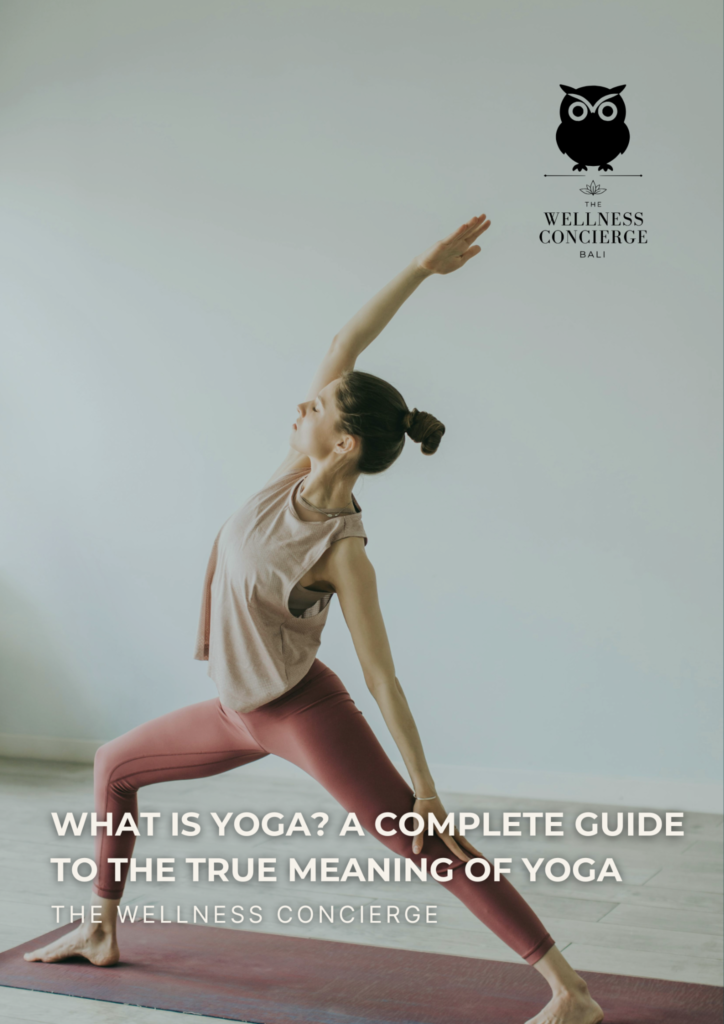
Yoga Explained: Discover the Meaning Behind the Practice
If you have ever stepped foot onto a mat, or even just considered taking your very first class, you might have asked yourself: what is yoga explained simply? At The Wellness Concierge Bali, we believe that understanding the foundation of this ancient discipline is the key to unlocking its profound, transformative power.
Whether you are seeking a what is yoga for beginners guide, or you are a seasoned practitioner wondering what is the true meaning of yoga, this article is designed to explore the depths of this holistic practice. From the meaning of yoga to the physical and energetic benefits it brings to your daily life, we will explore exactly what is yoga, shedding light on how this beautiful tradition can elevate your mind, body, and spirit.
The Definition of Yoga: What is Yoga in Sanskrit Origin?
To truly grasp the yoga definition, we must look back to its ancient linguistic roots. So, what is yoga in Sanskrit origin? The word “Yoga” is derived from the Sanskrit root word Yuj, which translates to “to yoke,” “to join,” or “to unite.”
Therefore, the truest yoga meaning is union. It is the harmonious integration of the individual self (mind and body) with the universal consciousness (spirit). While many modern studios focus heavily on the physical postures (asanas), the authentic definition of yoga extends far beyond physical flexibility. It is a comprehensive system designed to bring balance, alignment, and harmony to every facet of your being.
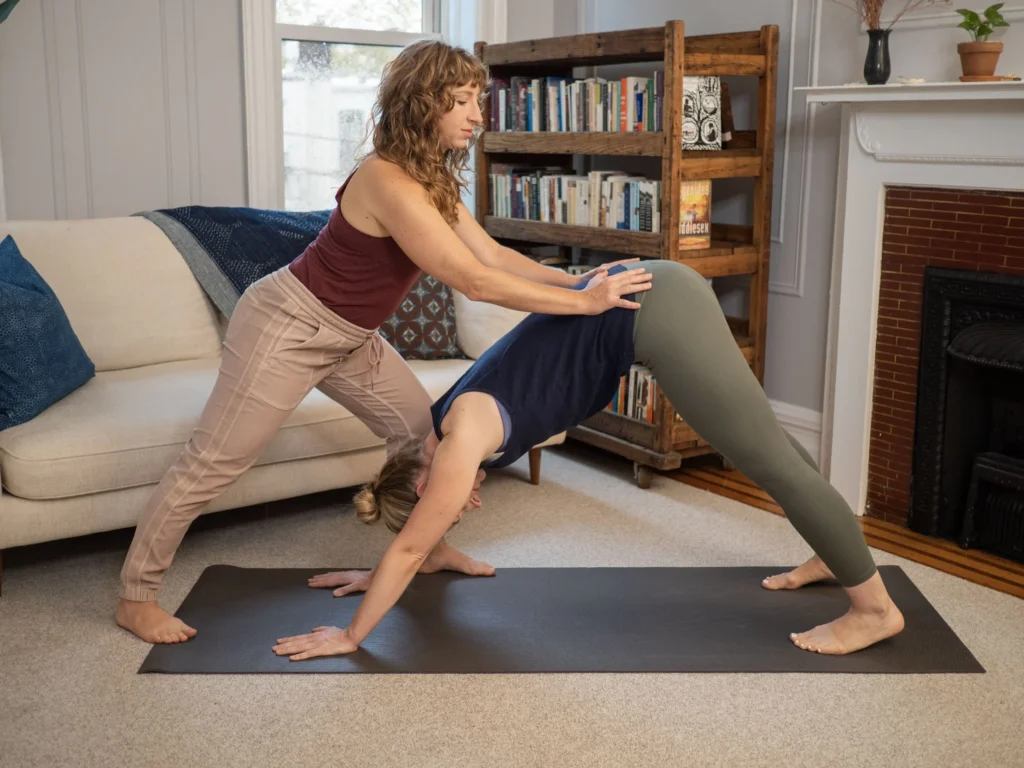
History of Yoga: What is yoga Philosophy and Practice?
Understanding the history of yoga is essential for any practitioner. Originating in Northern India over 5,000 years ago, yoga was initially a spiritual discipline passed down from teacher to student. But what is yoga philosophy and practice in a historical context?
The yoga basics we recognize today were codified by the sage Patanjali in the Yoga Sutras, a foundational text that outlines the Eight Limbs of Yoga. This path serves as a holistic framework for living a meaningful and purposeful life. The Eight Limbs encompass ethical disciplines (Yamas and Niyamas), physical postures (Asana), breath control (Pranayama), and deep states of concentration and absorption. Understanding this rich philosophy reveals that what is yoga practice today is actually the continuation of an ancient lineage of self-realization.
Benefits of Yoga: What is Yoga for Physical and Mental Health?
People arrive at the mat for many reasons, but the benefits of yoga are universally profound. When people ask, what is yoga and its benefits?, the answer spans both the physical and the subtle bodies.
So, what is yoga for physical and mental health?
- Physical Health: Regular practice improves flexibility, builds core strength, enhances cardiovascular health, and supports the body’s natural detoxification processes.
- Mental Health: Yoga is a moving meditation. It activates the parasympathetic nervous system (your “rest and digest” mode), significantly reducing cortisol levels, alleviating anxiety, and promoting mental clarity.
By syncing breath with movement, you cultivate a profound sense of inner peace that ripples outward into your daily life.
Types of Yoga: Different Types of Yoga and Their Meanings
Because every body and mind is unique, the practice has evolved into various styles. Understanding the different types of yoga and their meanings can help you find the right lineage for your personal journey:
- Hatha Yoga: Often considered the foundation of all physical yoga, Hatha focuses on breath and static postures, making it an excellent starting point for beginners.
- Vinyasa Yoga: A dynamic, fluid practice where postures are seamlessly linked together with the breath, creating a rhythmic, cardiovascular flow.
- Yin Yoga: A slow-paced, deeply restorative style where poses are held for several minutes to target deep connective tissues and fascia.
- Ashtanga Yoga: A rigorous, highly structured sequence of postures that builds internal heat, stamina, and intense focus.
Exploring these types of yoga allows you to tailor your practice to what your body needs on any given day.
Beyond the Mat: What is the Difference Between Yoga and Meditation?
As you deepen your practice, you may wonder: what is the difference between yoga and meditation? While they are deeply intertwined, they are distinct practices within the wellness spectrum. Yoga generally refers to the active, physical preparation of the body through movement and breath (Asana and Pranayama). Meditation (Dhyana), on the other hand, is the practice of stilling the mind and cultivating uninterrupted focus. Essentially, physical yoga prepares the body to sit comfortably in deep meditation.
At The Wellness Concierge Bali, our holistic approach embraces this entire spectrum. While we offer tailored, private Yoga classes, we also guide our clients through dedicated Meditation, Breathwork, Pilates, and Qi Gong sessions. To further support your energetic union, we curate immersive wellness events, including Sound healing, Kundalini activation, traditional Melukat water blessings, Reiki healing, Balinese Fire ceremonies, and sacred Cacao ceremonies.
Conclusion
So, what is the main purpose of yoga? Ultimately, the purpose is to guide you back to yourself—to foster a state of total union, vibrant health, and profound inner peace. Whether you are seeking a what is yoga for beginners guide or looking to deepen an advanced practice, we hope this exploration has illuminated the true power of this ancient discipline. Yoga is not just a workout; it is a way of life, a path to wellness, and a lifelong journey of self-discovery.
Frequently Asked Questions (FAQs)
What is yoga explained simply?
Simply put, yoga is an ancient system of physical postures, breathing techniques, and meditation designed to connect the mind, body, and spirit, promoting overall health and inner peace.
What is the true meaning of yoga?
The true meaning of yoga comes from the Sanskrit word Yuj, which means to unite or yoke. It represents the ultimate union between the individual consciousness and universal consciousness.
What is yoga for beginners guide?
A beginner’s guide to yoga focuses on the foundational elements of the practice: learning basic physical postures (asanas), understanding breathwork (pranayama), and cultivating a non-judgmental awareness of the body.
What is the main purpose of yoga?
While many use it for fitness, the main purpose of yoga is spiritual and mental liberation—quieting the fluctuations of the mind to achieve a state of harmony, balance, and self-realization.
What is the difference between yoga and meditation?
Yoga traditionally involves physical movement and breathwork to prepare the body, while meditation is the seated, mental practice of focusing the mind and achieving a state of deep stillness.
What is yoga and its benefits?
Yoga is a mind-body practice that offers extensive benefits, including increased flexibility, enhanced muscle strength, improved respiration, reduced stress, and heightened mental clarity.
What is yoga in Sanskrit origin?
In its Sanskrit origin, yoga is derived from the root word Yuj (to unite). It reflects the ancient Indian philosophy of joining the physical self with the divine or energetic universe.
What is yoga for physical and mental health?
For physical health, yoga improves mobility, cardiovascular function, and nervous system regulation. For mental health, it acts as a powerful tool for stress reduction, emotional regulation, and trauma release.
What is yoga philosophy and practice?
Yoga philosophy is rooted in ancient Indian texts like the Yoga Sutras of Patanjali, which outline an eight-limbed path of ethical living. The practice is the real-world application of these ethics through movement, breath, and meditation
What are the different types of yoga and their meanings?
There are many types, including Hatha (foundational and balanced), Vinyasa (fluid and breath-synchronized), Yin (slow and restorative targeting fascia), and Ashtanga (structured and physically demanding). Each style serves a unique physical and energetic purpose.