
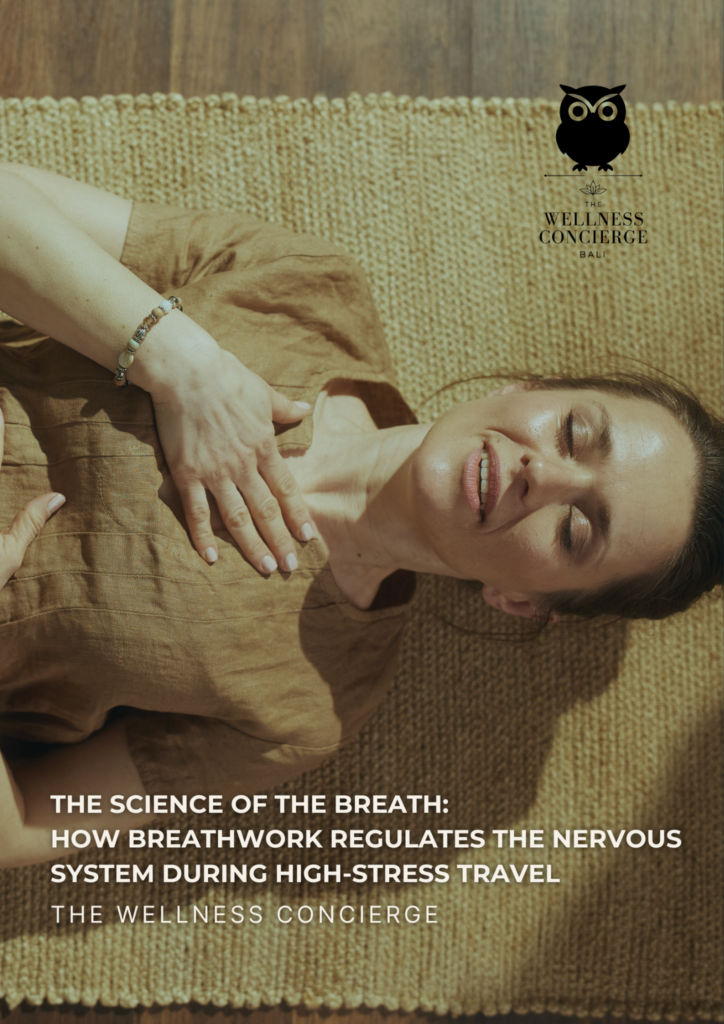
Breathwork and nervous system release : the perfect match
Long-haul flights, delayed departures, unfamiliar environments, and circadian disruption turn transit into a physiological ordeal. Understanding how breathwork regulates the nervous system reveals why intentional, conscious breathing is the ultimate tool for travel stress relief. Grounded in modern neuroscience and ancient wisdom, breathwork science demonstrates that modulating your breathing pattern directly alters your autonomic state. Whether you are seeking effective breathing exercises for travel, navigating diaphragmatic breathing for flight stress, or searching for somatic breathwork for travel anxiety, conscious respiration empowers you to calm your nervous system anywhere in the world.
By applying vagus nerve stimulation breathing techniques, travelers can achieve rapid travel anxiety relief, accelerate jet lag recovery, and master how to calm your nervous system while traveling. This article explores the science behind breathwork and stress relief, highlighting the best breathing exercises for high-stress travel, regulating the nervous system after a long flight, and using breathwork to cure jet lag and travel fatigue. Ultimately, understanding the science of breathwork for nervous system reset allows you to harness vagus nerve breathing, engage somatic breathwork, and practice breathwork for stress to maintain mental clarity and physical equilibrium—whether mid-flight or upon arriving at a peaceful destination like Bali, Indonesia.
The Science Behind Breathwork and Stress Relief
At the core of autonomic nervous system regulation is the delicate balance between two primary branches: the sympathetic nervous system (“fight-or-flight”) and the parasympathetic nervous system (“rest-and-digest”). Air transit, crowded airport terminals, cabin altitude fluctuations, and shifting time zones keep the body stuck in sympathetic overdrive—elevating systemic cortisol, boosting adrenaline, and restricting respiratory capacity.
The biological highway connecting conscious awareness to autonomic response is the vagus nerve—the longest cranial nerve in the human body, extending from the brainstem down to the heart, lungs, and digestive tract. Vagus nerve breathing activates mechanoreceptors and stretch receptors within the lungs and diaphragm. When you intentionally slow your inhalation rate and lengthen your exhalation, vagal tone increases. This vagal stimulation sends immediate inhibitory signals to the heart rate and adrenal glands, boosting Heart Rate Variability (HRV)—the gold-standard marker of physiological resilience—and clearing stress hormones from your bloodstream.
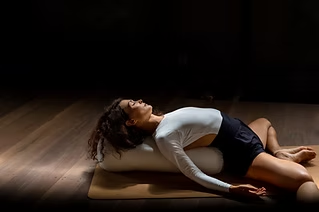
Best Breathing Exercises for High-Stress Travel and Flight Stress
When navigating transit queues, severe turbulence, or cramped seating, applying target vagus nerve stimulation breathing techniques shifts your physiology within minutes:
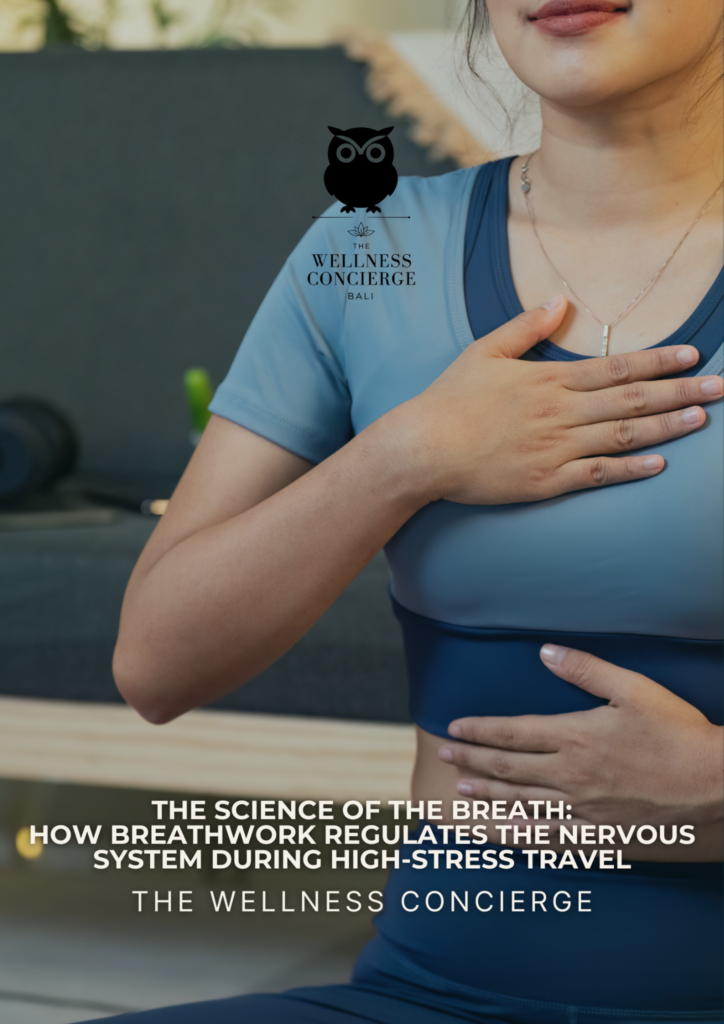
- Diaphragmatic Breathing for Flight Stress: Sit upright with one hand on your lower belly and one on your chest. Inhale deeply through your nose for 4 seconds, allowing your abdomen to expand while keeping your chest steady. Exhale slowly through pursed lips for 6 seconds. This extended exhalation disengages shallow chest-breathing patterns associated with acute panic.
- The Physiological Sigh: Execute two quick inhalations through your nose (one deep breath followed immediately by a second short “top-off” breath), then release a slow, complete exhalation through your mouth. Performing 3 to 5 consecutive sigh cycles rapidly offloads excess carbon dioxide ($CO_2$) and resets vagal tone during moments of sudden stress.
- Box Breathing (4-4-4-4 Technique): Inhale for 4 seconds, hold your breath for 4 seconds, exhale for 4 seconds, and pause empty for 4 seconds. Popularized by tactical teams and yogic traditions alike, box breathing stabilizes brainwave patterns and prevents panic-induced hyperventilation.
Nadi Shodhana (Alternate Nostril Breathing): By alternating airflow between the left and right nostrils, this classic pranayama practice balances the brain’s hemispheres, reduces baseline heart rate, and prepares your mind for restful sleep after landing
Somatic Breathwork for Travel Anxiety and Body Tension
Prolonged sitting compresses the diaphragm, restricts visceral blood flow, and causes muscular bracing across the shoulders, hips, and neck. Somatic breathwork pairs conscious breath control with internal body awareness, unlocking chronic tension held within muscle tissue and connective fascia.
By directing the breath into areas of physical tightness during transit, you send unambiguous safety signals to your brain’s insular cortex. Integrating conscious breathwork with gentle physical movement allows vital energy (prana) to circulate freely, reversing the physical stagnation caused by long transit hours.
Regulating the Nervous System After a Long Flight for Jet Lag Recovery
Crossing multiple time zones disrupts the suprachiasmatic nucleus—the master circadian clock in your brain. Utilizing breathwork to cure jet lag and travel fatigue works by synchronizing internal cardiac rhythms and optimizing oxygen delivery to fatigued tissue.
Coherent breathing (breathing at a smooth, steady pace of 5 seconds in and 5 seconds out) aligns your heart rate rhythm with your respiratory cycle. Practicing 10 to 15 minutes of coherent breathing upon arrival—ideally outdoors in natural sunlight with bare feet on the earth—grounds your physical body, dampens travel-induced systemic inflammation, and prepares your nervous system for deep restorative sleep in your new location.
Elevating Restorative Travel with Holistic Wellness Integration
While self-guided breathwork is an essential tool in any traveler’s toolkit, combining conscious breath regulation with tailored somatic modalities dramatically accelerates physical recovery. Practitioners who integrate breath control into broader wellness rituals experience faster nervous system alignment and complete physical restoration.
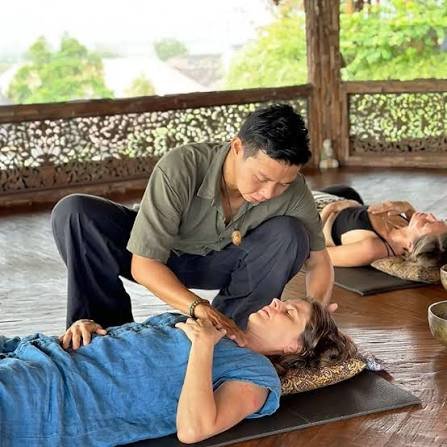
When arriving at a world-class travel sanctuary like Bali, Indonesia, complementing your breath practice with professional, expert-led sessions elevates your journey into a deep healing experience. Services offered by The Wellness Concierge Bali in Bali, Indonesia provide customized, in-villa wellness treatments tailored to your exact recovery needs. Private Yoga classes, guided meditation, specialized breathwork journeys, mat and reformer Pilates, and gentle Qi Gong allow you to decompress within the comfort of your private residence.
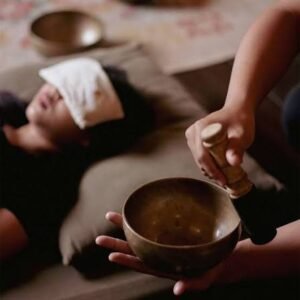
For those seeking profound energetic renewal after a long journey, curated holistic events—including therapeutic Sound healing sessions, Kundalini activation, traditional Balinese Melukat water blessings, Reiki healing, transformational Balinese Fire ceremonies, and sacred Cacao ceremonies—offer an authentic bridge between modern somatic science and traditional healing arts in Bali, Indonesia.
Science of Breathwork for Nervous System Reset: Key Takeaways
Understanding how breathwork regulates the nervous system turns high-stress travel into a manageable, grounding experience. Modern breathwork science proves that targeted vagus nerve stimulation breathing techniques deliver reliable travel anxiety relief, accelerate jet lag recovery, and provide an on-demand method to calm your nervous system. By utilizing somatic breathwork, diaphragmatic breathing for flight stress, and structured breathing exercises for travel, you gain a portable, drug-free practice to calm your nervous system while traveling and maintain complete well-being wherever your journey leads.
Frequently Asked Questions (FAQs)
How does breathwork regulate the nervous system during high-stress travel?
Breathwork stimulates the vagus nerve, which activates the parasympathetic nervous system (“rest-and-digest”). By slowing your respiration rate and extending your exhalations, you signal to your brain that you are safe, which lowers your heart rate, decreases cortisol levels, and counters travel stress.
What is the best breathing exercise to relieve flight anxiety quickly?
The Physiological Sigh (two quick inhales through the nose followed by one long, slow exhale through the mouth) is one of the fastest, science-backed breathing exercises to disrupt anxiety loops and lower elevated heart rates during flight turbulence or airport panic.
How does vagus nerve breathing help with jet lag recovery?
Long-distance air travel elevates stress hormones and disrupts circadian rhythms. Coherent vagus nerve breathing (breathing smoothly for 5 seconds in and 5 seconds out) boosts Heart Rate Variability (HRV), lowers systemic tension, and shifts the nervous system into a state conducive to restorative sleep in a new time zone.
What is the difference between diaphragmatic breathing and chest breathing?
Chest breathing is shallow, rapid, and engages upper body muscles, which triggers a sympathetic (“fight-or-flight”) response during travel. Diaphragmatic (belly) breathing expands the lower abdomen, fully engaging the primary respiratory muscle to maximize oxygen exchange and induce parasympathetic relaxation.
Can breathwork help prevent motion sickness during travel?
Yes. Slow, rhythmic breathing stabilizes the autonomic nervous system and reduces conflict between visual input and inner-ear balance signals, helping ease nausea and spatial disorientation during car, boat, or air travel.
How long do I need to practice breathwork to calm my nervous system?
Clinical research shows that even 2 to 5 minutes of slow, intentional diaphragmatic breathing produces measurable reductions in heart rate and blood pressure. However, a 10 to 15-minute practice provides deeper, longer-lasting nervous system regulation and cortisol reduction.
What is somatic breathwork and how does it differ from traditional pranayama?
Somatic breathwork emphasizes felt physical sensations, using conscious breath to track and release stored emotional and muscular tension in body tissue. Traditional pranayama focuses on energetic balance and structured breath ratios; somatic breathwork prioritizes felt-sense physical release.
Is box breathing effective for sleeping in airplanes or hotel rooms?
Yes. Box Breathing (4 seconds in, 4 seconds hold, 4 seconds out, 4 seconds hold) calms racing thoughts, balances autonomic activity, and transitions brainwaves into alpha and theta states ideal for sleep despite airplane noise or unfamiliar hotel environments.
Are there any safety risks when practicing breathwork while flying?
Gentle techniques like diaphragmatic breathing, box breathing, and extended exhalations are completely safe while flying. Intense hyperventilation or prolonged breath-holding practices should be avoided during flight due to cabin altitude and pressure changes.
How can I combine breathwork with other wellness practices while visiting Bali, Indonesia?
Pairing breathwork with private Yoga, meditation, or restorative practices like Sound Healing or a traditional Melukat water blessing in Bali, Indonesia deepens nervous system recovery. Specialized providers like The Wellness Concierge Bali deliver personalized, in-villa sessions across locations in Bali, Indonesia to restore physical balance after long travel.